

Self-care for lymphedema: spot early signs and shape your daily routine

Self-care for lymphedema patients should be tailored to the condition’s stage and symptoms. New tightness or swelling in an affected area is a reason to seek medical advice promptly.
It can be hard to know whether a change needs attention, especially when symptoms develop gradually. Early assessment matters: lymphedema can develop after cancer treatment, and symptoms may not appear straight away.
This guide covers early signs to watch for and how compression, movement and skin care can fit into daily life. It explains why care may differ by stage, how to recognise when a compression garment may need review, and when to seek further assessment. The aim is a practical routine that supports ongoing management without assuming everyone has the same needs.
Table of Contents
How do I know if my compression garment is working effectively?
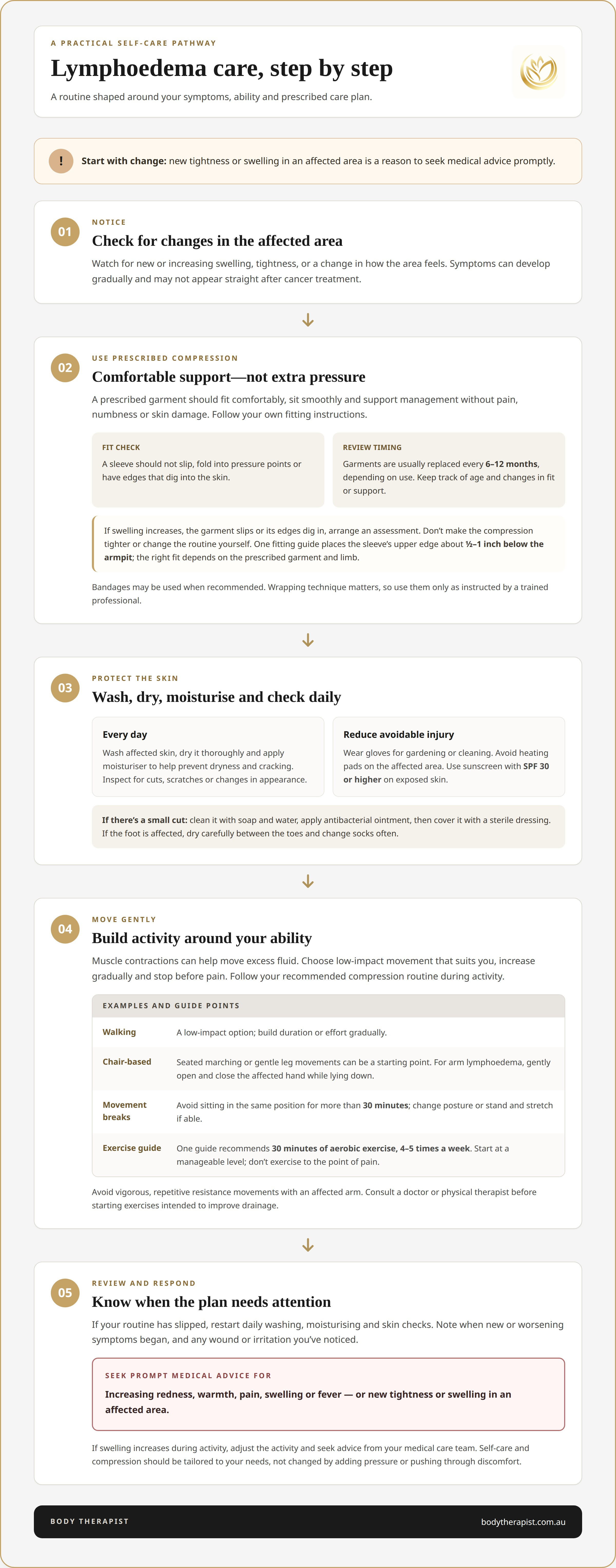
A prescribed compression garment should fit comfortably and support lymphedema management without causing pain, numbness or skin damage. If swelling increases, the garment slips or its edges dig into your skin, arrange an assessment rather than changing the compression yourself. A lymphedema specialist can assess the fit and how you use the garment.
For many people, the routine means wearing a prescribed sleeve during the day and removing it at night. A sleeve should sit smoothly, without folds that create pressure points. One guide places the upper edge about ½ to 1 inch below the armpit, but the appropriate fit depends on the garment prescribed for your affected limb. Follow your own fitting instructions.
Compression garments lose effectiveness as they’re used and washed. They’re usually replaced every 6 to 12 months, depending on use. Keep track of the garment’s age and note changes in fit or support. If it no longer feels right, have the fit reviewed before continuing with a changed routine.
Elastic compression bandages may be used instead of, or alongside, garments when recommended as part of your treatment. Low-stretch bandages can wrap the affected limb to support fluid movement towards the body’s centre. Wrapping technique matters: an uneven or overly tight wrap can create pressure, so use bandages only as instructed by a trained professional.
Compression is one part of consistent daily self-care, alongside movement and other parts of your management plan. After liposuction for lymphedema, compression on the affected limb is described as lifelong to help control swelling. This applies to that surgical context; it does not mean everyone needs the same garment or schedule.
In Australia, ask your treating health professional or local health service about finding a lymphedema therapist and whether financial assistance for compression garments is available in your state or territory. Support groups can also provide peer support, though eligibility and assistance pathways vary.
What happens if I stop my self-care routine for a while?
Daily self-care includes washing and moisturising affected skin, checking for breaks, and protecting it from injury. If your routine slips, restart these steps and watch for changes in swelling or signs of infection.
Preventing skin infections and breakdown
Skin care helps protect the skin barrier and reduce infection risk, including cellulitis. Wash the affected arm or leg daily, then dry it thoroughly and apply moisturiser to help prevent dry, cracked skin. If lymphedema affects a foot, dry carefully between the toes and change socks often to limit moisture that can encourage fungal infection.
Attend to small injuries promptly. Clean a cut with soap and water, apply antibacterial ointment, then cover it with a sterile dressing. Wearing gloves while gardening or cleaning can reduce scratches and abrasions. Avoid heating pads on the affected area, as reduced sensation may make burns harder to notice. Protect the skin from cuts, burns and irritation.
Skin checks and infection warning signs
Inspect the affected skin daily for scratches, abrasions, cuts or changes in appearance. Treat any small break promptly and keep it clean until healed. Sunscreen with SPF 30 or higher can protect exposed skin. These checks matter because even a minor injury can create an entry point for infection, particularly where lymphatic drainage is impaired.
Contact your healthcare provider promptly if you notice signs of infection, such as increasing redness, warmth, pain, swelling or fever. Don’t wait for a skin break to worsen before seeking advice. If new or worsening symptoms appear after a lapse in your routine, note when they began and any wound or irritation you’ve noticed.
Returning to daily washing, moisturising and skin checks provides a clear starting point after a lapse. For help with ongoing lymphoedema management, lymphoedema therapy may support a tailored care plan.
Can I exercise daily with lymphoedema, or should I rest more?
Gentle, regular activity can help move fluid. Build up gradually and stop before pain. A balanced, low-sodium diet, regular fluid intake and a healthy body weight support overall health.
Gentle exercise and movement
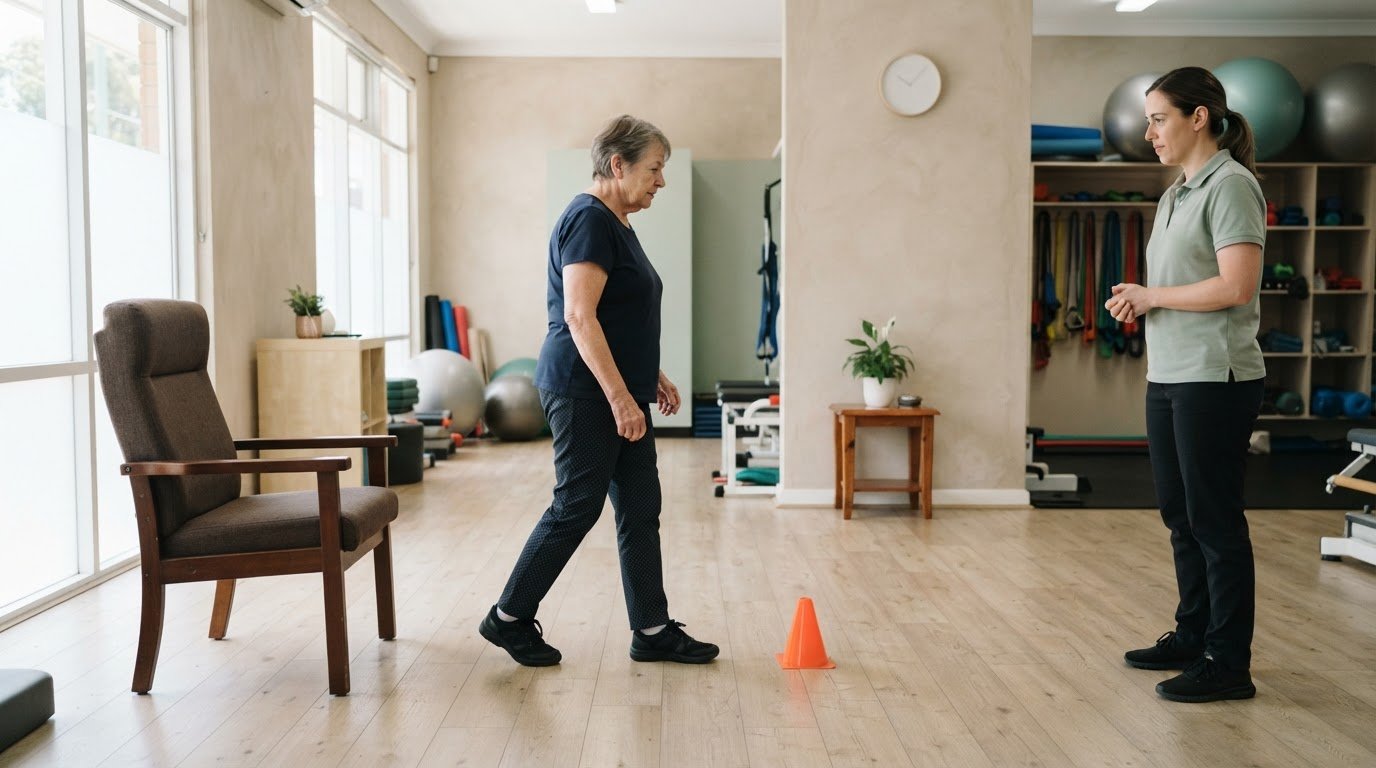
Muscle contractions can help move excess fluid from a swollen area, so activity may complement compression garments or bandages. Choose low-impact movement suited to your ability, then increase duration or effort gradually. Walking is one option; gentle stretches can break up long periods of sitting. Avoid vigorous, repetitive resistance movements with an affected arm, such as forceful pulling or scrubbing.
A guide recommends 30 minutes of aerobic exercise 4-5 times a week, but start at a level you can manage. Don’t exercise to the point of pain. If swelling increases, adjust the activity and seek advice from your medical care team.
Chair-based exercises
Chair-based movement can help you stay active when standing or walking is difficult. Seated marching or gentle leg movements can be a starting point; keep the pace comfortable and movements controlled. For arm lymphedema, opening and closing the affected hand while lying down is another gentle option.
Break up stillness, too. Avoid sitting in the same position for more than 30 minutes; change posture or stand and stretch if able. Small movement breaks can fit around daily activities without requiring a strenuous workout.
Before starting exercises intended to improve drainage, consult a doctor or physical therapist. A lymphedema care team can tailor a plan to your needs and ability, including after surgery. Follow the recommended compression routine during activity, and protect affected skin from friction or injury. If infection or cellulitis symptoms arise, seek prompt medical advice rather than exercising.
For nutrition, choose a well-balanced diet with plenty of fruit and vegetables, and limit sodium. Maintaining a healthy weight, managing stress and getting enough sleep support overall health alongside lymphedema care.
Tailoring self-care to lymphoedema stage
Lymphedema self-care should reflect changes in swelling, tissue and skin, rather than follow one fixed routine. The stage helps describe what may be happening in the lymphatic system and which parts of management need attention. Self-care for lymphedema patients should therefore take symptoms, function and the affected area into account.
At stage 1, lymphatic flow is abnormal, but visible signs or symptoms may be absent, according to Johns Hopkins Medicine. National Cancer Institute notes that resting and elevating the affected limb can help reduce swelling at this stage. Early lymphoedema may be reversible with proactive care, so recognising subtle changes and seeking assessment promptly can matter.
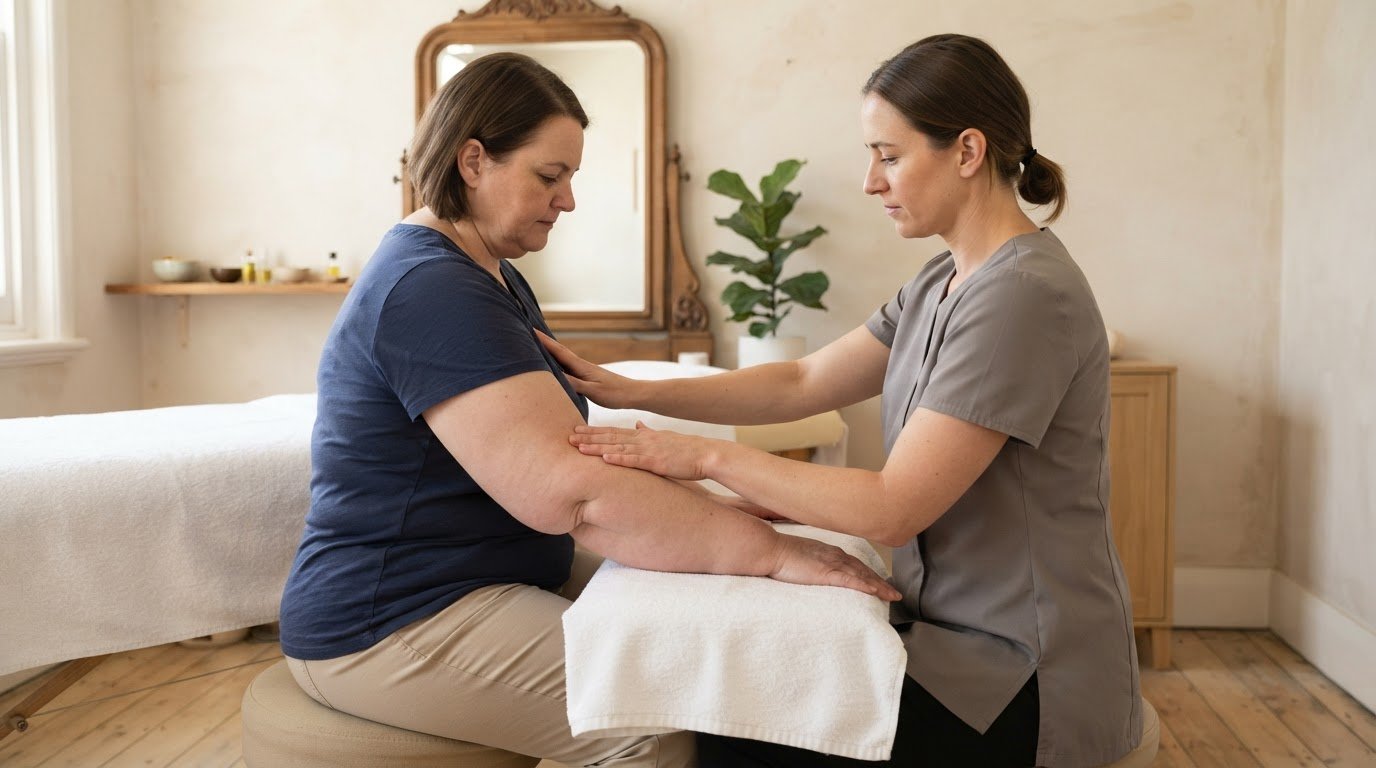
Johns Hopkins Medicine describes stage 2 lymphedema as fluid accumulation with swelling that resolves with elevation; pressing on the area may leave a dent. Management may combine prescribed compression, skin care and exercises. A lymphoedema therapist can teach simple lymphatic drainage for maintenance. This manual technique should not be used over active cancer in the affected area, a skin infection or blood clots.
At stage 3, swelling becomes persistent and may not resolve with elevation. Johns Hopkins Medicine describes associated skin changes, including thickening and scarring. Decongestive treatment may combine compression, movement, skin care and manual lymphatic drainage, with the balance shaped by symptoms and tissue changes. At stage 4, Johns Hopkins Medicine describes elephantiasis, including thickened skin, wart-like growths and extensive scarring. These changes call for specialist assessment rather than more intensive self-treatment.
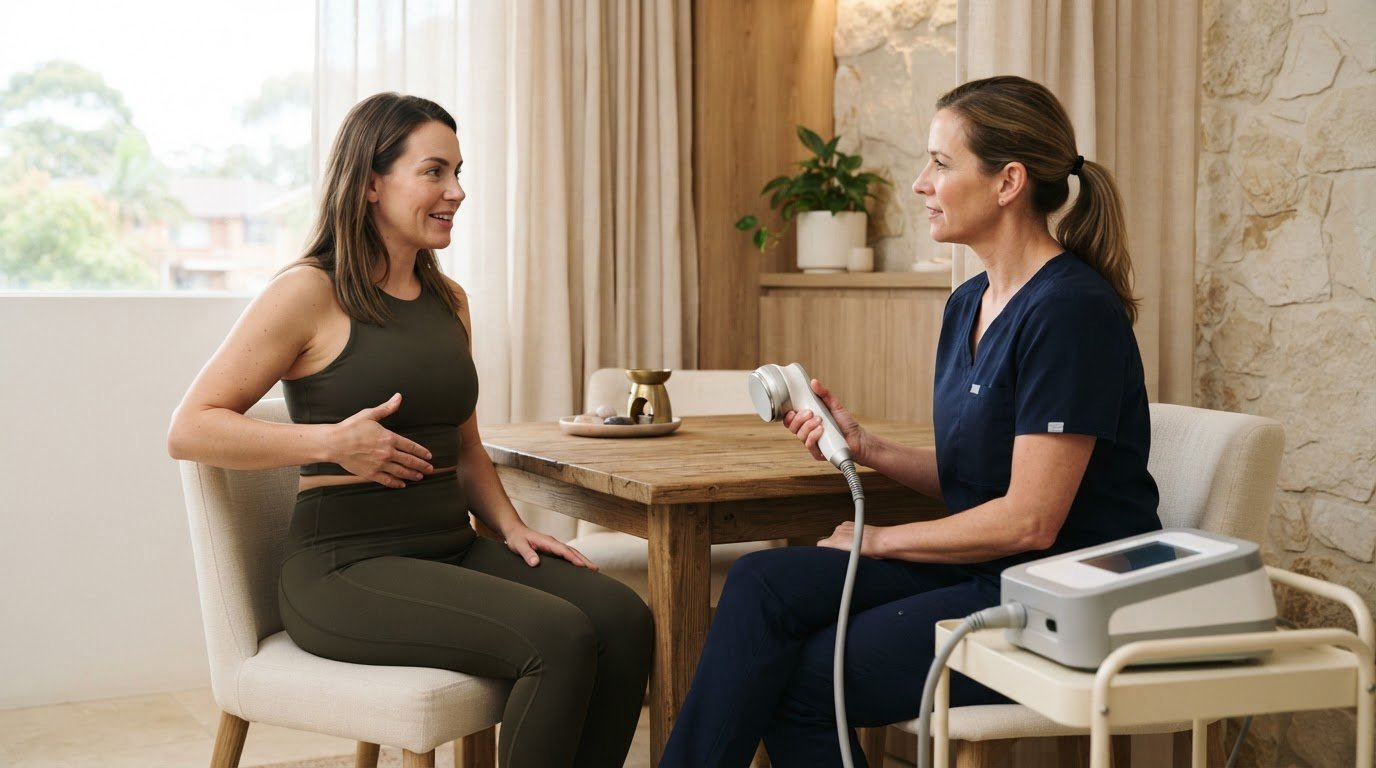
For self-care for lymphoedema patients in Australia, a lymphoedema therapist or treating care team can tailor self-management and teach techniques such as simple lymphatic drainage. Compression garments or bandages may not suit some people with arterial problems in their legs. Ask the treating team about suitability before using compression devices or changing a prescribed plan. If you’re considering support, discuss how lymphoedema therapy could fit your stage, symptoms and current routine. This helps keep self-care for lymphoedema patients connected to individual needs.
Body Therapist: Lymphedema Therapy
Body Therapist provides Lymphedema Therapy for people seeking support with lymphoedema management and daily self-care. It may be a useful next step when swelling, garment use or movement needs have changed, or when you want guidance that considers your current routine.
Depending on your needs, care may include Manual Lymphatic Drainage Massage. Remedial Massage and Oncology Massage may also be relevant to your circumstances. These services can complement a broader management plan alongside guidance from your healthcare team.
Contact Body Therapist to discuss Lymphedema Therapy and your self-care needs.
Make your next step part of the plan
A sustainable routine isn’t a test of willpower. It’s a way to notice what supports your comfort and function, then adjust as your daily needs change. Keep a brief record of what feels manageable, what disrupts your routine and what you’d like to discuss with your care team. These observations can help make future conversations more focused.
For self-care for lymphoedema patients, progress often comes from making informed adjustments rather than trying to do everything at once. Choose one useful next step, such as revisiting your routine or getting support with a specific concern, and build from there. If you’d like to discuss support, explore your next step with Body Therapist.
Keep shaping a routine that fits your life, with steady attention and appropriate support along the way.
Frequently Asked Questions
What are the early signs of lymphoedema I should look out for?
Early signs can include new swelling, tightness, heaviness or a change in how clothing or jewellery fits on one side. The affected area may feel different before swelling is obvious. After cancer treatment, symptoms can be delayed: they may not appear until 18 to 24 months later. Seek medical advice promptly if you notice a new change.
Is it safe to travel with lymphoedema?
Travel can be planned around your established care routine. For air travel, wear your prescribed compression garment and avoid sitting still throughout the flight. Stand or stretch every hour when possible. Protect your skin during the trip, and note any new discomfort or swelling to discuss with your healthcare team afterwards.
How should people with lymphedema care for their skin and prevent infection?
Protect the affected skin from small injuries, which can become an entry point for infection. Wear gloves for gardening or cleaning, and consider an electric razor to reduce the chance of nicks. If you get a cut, clean it with soap and water, apply antibacterial ointment and cover it with a sterile dressing. Use sunscreen with SPF 30 or higher outdoors.
How do compression garments help, and how should they be fitted and maintained?
Compression garments apply external pressure to help limit fluid accumulation in an affected limb. Fit matters: a garment that slips, bunches or causes discomfort needs assessment, not improvised adjustments. A lymphoedema specialist can review fit and use. Garments are usually replaced every 6 to 12 months, depending on use, so keep track of when yours was fitted or replaced.
How can manual lymphatic drainage and self-massage be done safely?
Manual lymphatic drainage is a light technique intended to guide trapped fluid towards areas with functioning lymph vessels. Learn any self-drainage method from a lymphedema therapist, who can teach an approach suited to the affected area. Don’t perform manual lymphatic drainage over a skin infection, blood clot or active cancer in that area. Pause and seek advice if any of these conditions arise.
What are the signs of cellulitis or worsening lymphedema that need urgent medical care?
Increasing redness, warmth, pain, swelling or fever in an affected area can signal infection, including cellulitis. Contact your healthcare provider right away if infection signs appear. A sudden change in swelling also needs prompt attention, particularly with skin changes or feeling unwell. If swelling persists longer than 1 to 2 weeks, contact your provider for assessment.
Comments